Forgotten Island
How the Objects We Have Store Memories of Our Life
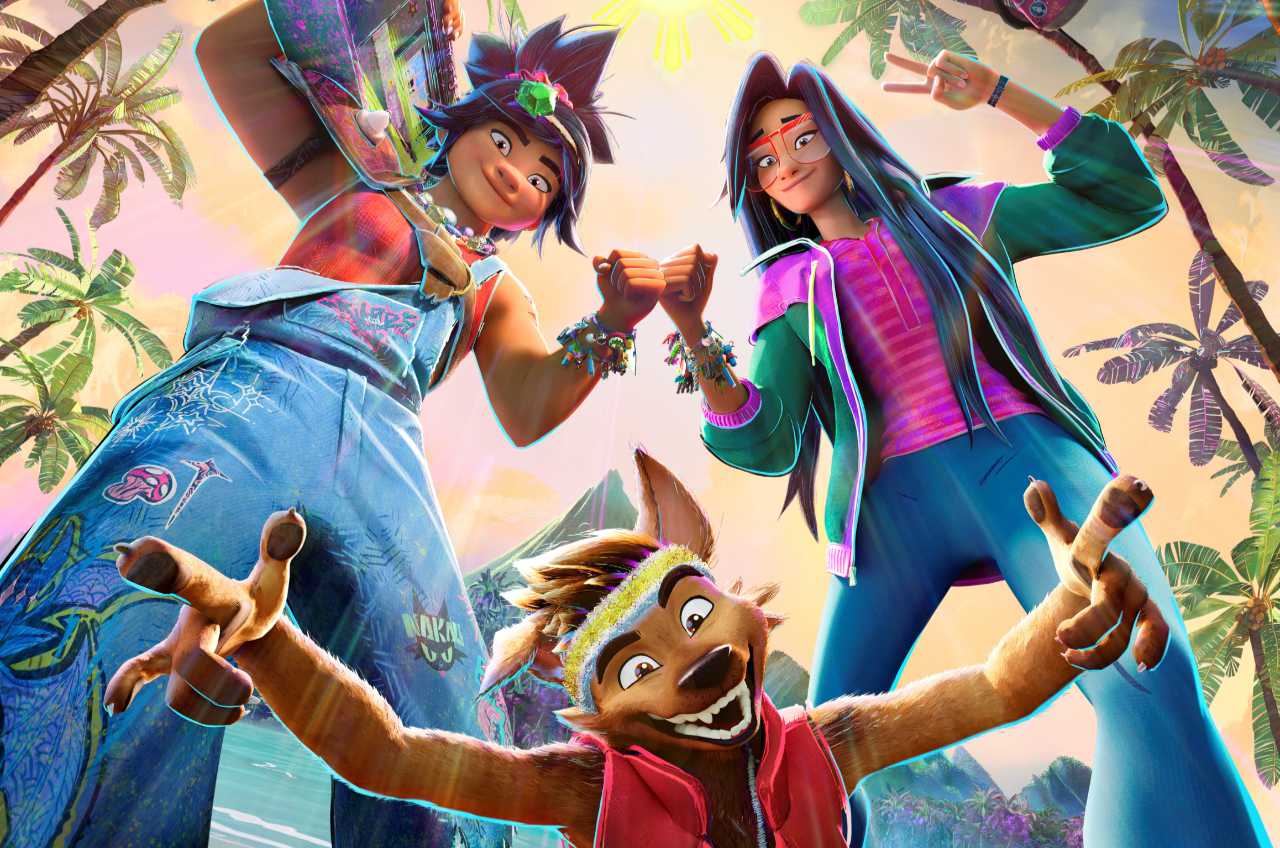
Dreamworks’ Forgotten Island is a vibrant animation filled with shifting art styles, touches of folklore horror, and a deeply emotional core. The film follows Jo and Raissa, two childhood best friends in the Philippines facing an impending cross-continental separation when Raissa is accepted to a university in the United States. On their final night together, a wrong turn lands them on Nakali, a hidden island filled with the mythical creatures of their childhood stories. Binding their friendship is a pair of charm bracelets—physical tokens marking years of shared history and inside jokes. When the memory demon Batiba demands their bracelets in exchange for passage home, the stakes become profoundly internal: trading the charms means erasing the memories associated with them. Through this conflict, Forgotten Island asks a quiet, uncomfortable question about human connection: What is the true value of a shared memory when two people remember it differently? In one of the film’s most poignant moments, Jo realizes Raissa has forgotten the story behind a specific charm—one representing hours Jo spent recording a custom mixtape for her. Jo feels the sharp sting of that asymmetry. It is a familiar pain. Years ago, a past partner gave me a smooth, ocean-washed rock, alluding to the way penguins give pebbles to their mates. To them, it may have been a fleeting, playful gesture. Months later, they had forgotten the moment entirely. But to me, that rock remained a physical container for the magic of that shared spark, and I kept it long after the relationship ended. It is easy to view asymmetric memory as a tragedy—to feel hurt, like Jo, when someone doesn't preserve a moment with the same sacred weight we do. But memory isn't a shared ledger where both sides must maintain equal balances. The value of an experience doesn't evaporate just because the other person let it fade. Just like Jo coming to peace with her bracelet, I still keep that smooth rock on my shelf. Forgotten Island reminds us that the objects we hold onto don't need validation from anyone else; their magic lives in what they meant to us when we needed them most.